Adventure books have always occupied a special place in American reading culture. Whether we’re navigating rugged landscapes, confronting moral dilemmas, or following characters who risk everything to discover who they truly are, adventure stories remind us that courage and curiosity remain essential human instincts.
Today’s readers—especially adults—aren’t just seeking entertainment. They want adventure with depth, stories that blend emotional complexity, cultural richness, and immersive historical detail. And in that landscape, Eva Phileta Wright’s The Ballads of the Tea Horse Trail stands out among the most compelling modern works of literary adventure.
Why Adventure Books Continue to Inspire Readers
Adventure books endure because they speak to something universal: the desire to step beyond the familiar. In a world saturated with routine and digital noise, readers turn to adventure fiction to rediscover what it means to feel alive—risk, discovery, transformation, and all.
For American readers especially, adventure narratives offer:
- Escape from daily pressures and constant connectivity
- Exploration of cultures, histories, and worlds they may never experience firsthand
- Thrill that’s grounded in real human emotion
- Perspective, especially as stories transport us across borders, eras, and belief systems
In many ways, adventure fiction delivers the same exhilaration as travel—without the flight delays.
What Makes a Good Adventure Book? Key Elements Readers Love
Great adventure books don’t rely solely on physical danger. Today’s readers want emotional resonance, immersive detail, and characters whose internal journeys matter as much as the external quest.
Here are the elements that define truly memorable adventure fiction:
High-Stakes Challenges
Every adventure begins with a risk—physical, moral, or psychological. The most enduring stories push characters toward breaking points, forcing them to redefine themselves.
Tenzin’s transformation in The Ballads of the Tea Horse Trail is a perfect example. A once-sheltered crown prince, he must confront the harsh realties of exile, political tension, and survival. His challenges are not simply physical—they are spiritual, cultural, and deeply personal.
Vivid Landscapes
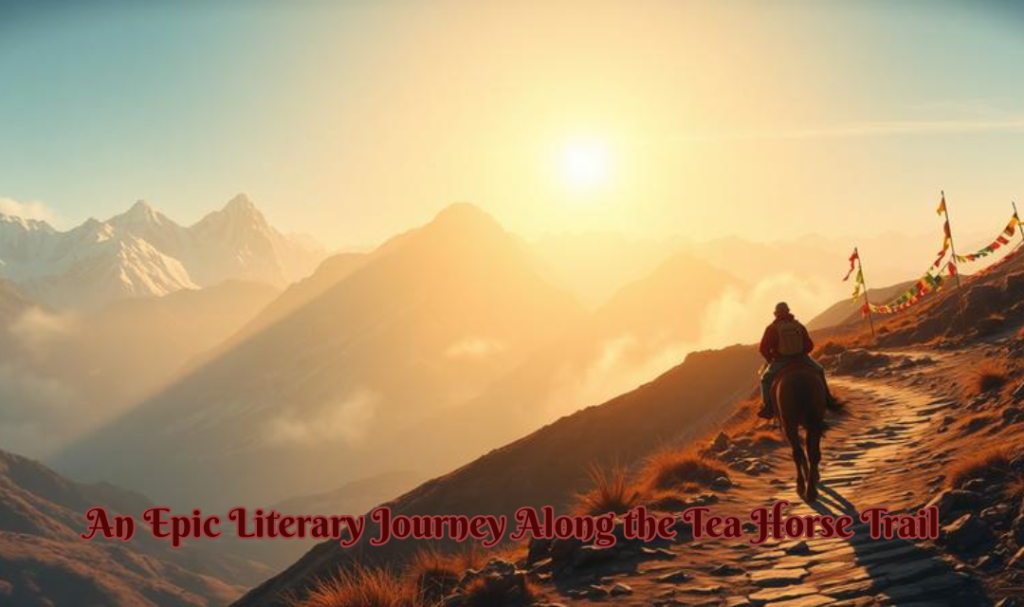
Readers want to feel the trail dust gather on their boots and hear the winds sweeping across mountain passes. A great adventure book turns setting into a living force.
Whether it’s the Tea Horse Trail, the Himalayas, the American frontier, or the Amazon rainforest, landscapes shape choices, risks, and destinies.
Characters Who Grow Through Hardship
At its core, adventure fiction is about transformation. Readers connect most deeply with characters who evolve through conflict, uncertainty, and adversity.
Again, Tenzin’s arc stands out. His growth is not heroic posturing—it’s earned through loss, revelation, and the rediscovery of heritage. His journey embodies what modern readers crave: authentic evolution, not manufactured drama.
As we discussed in Why The Ballads of the Tea Horse Trail Stands Among the Best Adventure Books of Our Time, this blend of character depth and high-stakes storytelling is what elevates adventure fiction beyond pure entertainment.
Top Adventure Books for Adults Who Crave Depth & Drama
Today’s adults want more than plot twists—they want meaning. They want stories that pair adrenaline with introspection, risk with revelation.
These two subgenres resonate most strongly:
Adventure with Emotional Complexity
These stories explore the inner landscapes of fear, hope, identity, and purpose. They may feature dangerous journeys, but the emotional stakes are just as gripping.
If you connect with novels that blend psychological depth and intense adventure, The Ballads of the Tea Horse Trail stands alongside other modern classics for its:
- Multilayered character development
- Interwoven themes of cultural loss, belonging, and survival
- Realistic depiction of trauma and resilience
Stories Featuring Exploration, Identity & Growth
Some of the most powerful adventure stories dig deeply into questions of identity—especially when set against cultural upheaval or historical conflict.
Readers who appreciate this blend of introspection and exploration often gravitate toward works that echo real-world histories. The Ballads of the Tea Horse Trail excels here, weaving Tibetan cultural history with personal transformation, making it a standout selection for adult readers.
To understand how adventure blends with cultural history, read more in our exploration of the Tea Horse Trail.
Historical Fiction Adventure Books That Bring the Past to Life
Historical adventure fiction occupies a unique space in the American literary imagination. These stories offer the best of both worlds: fast-paced action and deep cultural or historical insight.
When History Becomes an Adventure
The past is never passive. Whether we’re revisiting ancient trade routes, royal dynasties, or little-known cultural traditions, historical adventure books illuminate the stories often left out of textbooks.
They allow readers to:
- Travel across centuries
- Witness pivotal moments
- Explore cultural intersections
- Understand how individuals shaped history
Books That Combine Adventure with Cultural Insight
This is where The Ballads of the Tea Horse Trail shines brightest. Eva Phileta Wright masterfully fuses:
- High-demand adventure elements
- Authentic Tibetan cultural details
- Historical figures, including Guru Rinpoche
- Nuanced depictions of Mosuo and Tibetan traditions
- Philosophical depth woven organically into the narrative
The result is a novel that appeals to both adventure lovers and history enthusiasts.
To dive deeper into this blend of history and narrative, explore this article on Tibetan history and fiction (Post #2).
Choose Your Own Adventure Books: Why Interactive Stories Are Back
Choose-your-own-path books are experiencing a resurgence in the U.S. market—and not just among younger readers. Adults crave the empowerment and creativity that interactive fiction offers.
The Rise of Interactive Fiction
Digital culture has made personalization an expectation. Interactive fiction taps into this desire by allowing readers to:
- Control outcomes
- Explore multiple story arcs
- Test moral and strategic decisions
- Re-experience the same book in new ways
Great Titles for Readers Who Love Control Over the Story
Modern choose-your-own-adventure books span genres—from fantasy to mystery to science fiction. They’re ideal for readers who enjoy narrative experimentation and want something unconventional.
This category keeps expanding, and it complements traditional adventure fiction rather than competing with it, offering a new lens through which readers engage with story.
How Eva Phileta Wright’s Adventure Through the Tibetan Borderlands Inspired Her Fiction
Eva Phileta Wright’s work stands apart because it comes from lived experience, not imagination alone.
During her years teaching in Hangzhou and later traveling through rugged Tibetan borderlands, she encountered families whose histories intertwined with royal lineage and political turmoil. One of the most profound stories she heard came during her second visit, when she met the wife of Tenzin’s eldest son—a woman whose marriage had been torn apart by police who knew more about her husband’s ancestry than she did.
These journeys provided the emotional and historical foundation for The Ballads of the Tea Horse Trail, enriching her storytelling with authenticity, cultural respect, and firsthand understanding.
Wright didn’t simply write about history—she walked through its remnants.
Conclusion — Your Next Great Adventure Starts on the Page
Whether you crave emotional depth, historical immersion, breathtaking landscapes, or an unforgettable character arc, adventure books continue to offer a gateway into worlds that challenge and transform us.
If you’re ready to experience a modern masterwork that blends heart, history, and high-stakes adventure, begin your journey with The Ballads of the Tea Horse Trail—a novel that redefines what adventure fiction can be.
Your next great adventure is waiting.