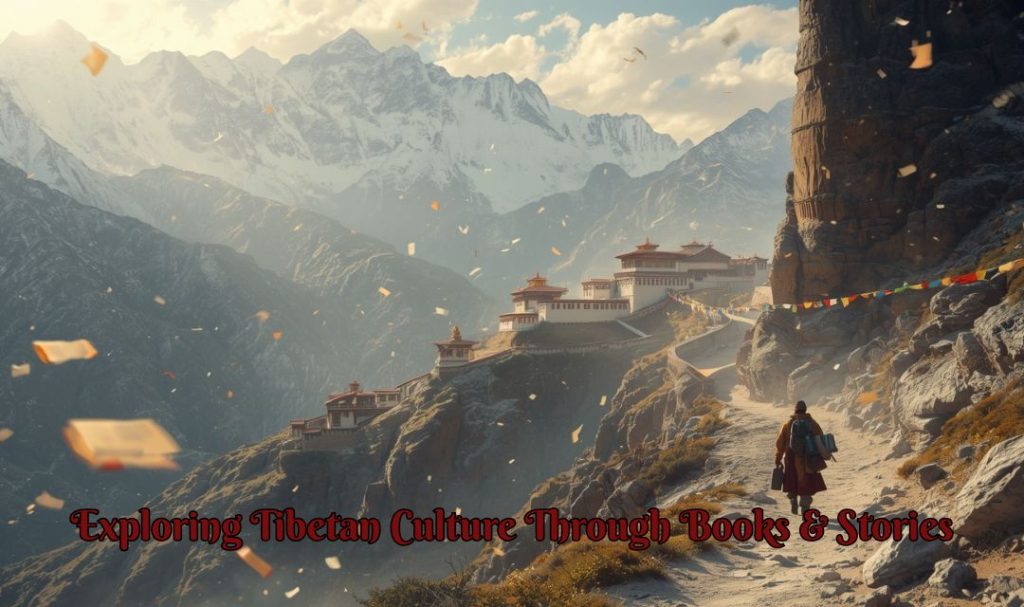
Tibet has fascinated travelers, readers, and explorers across the globe. Nestled high in the Himalayas, this region is often seen as a place of mystery, spirituality, and deep cultural richness. From ancient monasteries to breathtaking landscapes, Tibet offers a unique blend of history and philosophy that continues to inspire writers and readers alike.
No matter whether you have recently picked up a Tibetan History Book, are intrigued by spiritual insights in Tibetan Buddhism, or have made a decision to learn from Fiction Books About Tibet, literature provides one of the most accessible ways to explore this fascinating land. In this blog, we’ll journey through different types of books that bring Tibet to life—helping you understand not just its past, but its people, beliefs, and stories.
1. Why Books About Tibet Continue to Fascinate Readers Worldwide:
While readers may have their own subjective reasons for being captivated by books about Tibet. However, the reason to choose them is that they offer a combination of elements that few other regions can match. Tibet’s extravagance lies in its blend of mystery, spirituality, and geography.
The region’s remote location in the Himalayas has historically made it difficult to access, which adds an air of intrigue. For many readers, Tibet represents a world untouched by modern chaos its a place where ancient traditions still thrive. This sense of isolation often fuels curiosity and encourages exploration through literature.
Another key factor that makes the Tibetan culture most interesting is the essence of spirituality that it holds for its people. Tibet is deeply connected to Buddhist teachings, and its monasteries, rituals, and philosophies provide readers with a sense of calm and introspection. Books exploring these themes often appeal to those seeking deeper meaning in life.
And last but certainly the most intriguing aspect that one simply can’t ignore is the Tibetan landscape. Snow-covered mountains, vast plateaus, and serene monasteries create a vivid backdrop for storytelling. Whether factual or fictional, these settings transport readers to a world that feels both distant and deeply immersive.
2. Understanding Tibet Through a Tibetan History Book:
For people who are looking to get a view or basic understanding of the place, Tibetan history books serve as the best resource. Without historical knowledge, it’s easy to overlook the complexities that have shaped Tibet over centuries.
The history of the Tibetan book genre typically covers key periods such as the rise of the Tibetan Empire, the development of religious institutions, and the region’s interactions with neighboring powers. These books often explore trade routes like the ancient Silk Road, which connected Tibet to broader Asian and European networks.
Politics also plays a significant role. Tibet’s modern history includes periods of conflict, cultural transformation, and international attention. Understanding these dynamics helps readers grasp the challenges Tibet has faced and continues to navigate.
Aspects that include art, culture, language, and its social structure all together, they provide a foundation that enhances your appreciation of other types of literature, especially fiction and spiritual texts.
If you are looking to have a better and improved understanding of Tibetan culture, then look out for some of the most convincing literature available on board. That is Tibetan history books.
3. The Role of Tibetan Buddhism Books in Cultural Understanding:
In order to completely understand Tibet, it is essential to dive deep into its aspect of spiritualism, which is where Tibetan Buddhism Books come in. Tibetan Buddhism is not just a religion; it is a way of life that influences everything from daily routines to artistic expression.
Books on Tibetan Buddhism often introduce readers to key teachings that include compassion, empathy, and most importantly, the road to enlightenment. Concepts like karma and rebirth are central to these texts, offering a philosophical framework that shapes Tibetan thought and behavior.
These books may also explore the role of monks, monasteries, and spiritual leaders in Tibetan society. Monastic life is deeply respected, and monasteries often serve as centers of learning, culture, and community.
However, in the modern context, dealing with the chaos of life becomes one of the most challenging aspects, and thus, readers look up to these books to find inner peace and manage stress. This universal appeal makes Tibetan Buddhism Books popular not only among those interested in religion but also among readers seeking personal growth.
4. Exploring Daily Life Through Books On Tibetan Culture:
When you invest time and interest in Books On Tibetan Culture reveal that there is much more to the region than religion alone. These books provide a window into the everyday lives of Tibetan people, showcasing traditions, festivals, and social customs.
These books also shed light on how Tibetans adapt to their environment. Living at high altitudes requires resilience and resourcefulness, and cultural narratives often reflect this unique way of life.
Importantly, Books On Tibetan Culture go beyond stereotypes. They present Tibet as a dynamic society with evolving traditions, rather than a static, mystical land frozen in time.
5. Why Fiction Books About Tibet Offer a Deeper Emotional Connection:
While you may read facts and forget about them quickly, when you choose to read Fiction Books About Tibet have the power to move readers on a deeper emotional level. Through storytelling, fiction brings history and culture to life in ways that facts alone cannot.
These books often focus on personal journeys—stories of love, loss, resilience, and identity set against the backdrop of Tibet’s unique environment. By following characters through their struggles and triumphs, readers develop a more personal connection to the region.
In addition, fiction also taps into your creative, imaginative world. Where you could understand social, political, and cultural differences on a deeper and more humanistic level.
6. Blending History and Fiction: A Powerful Way to Experience Tibet:
One of the most effective ways to explore Tibet is by combining different types of literature. Blending historical facts with fictional storytelling creates a richer, more immersive experience.
Historical books provide the framework—the facts, timelines, and context—while fiction fills in the emotional and human details. Spiritual texts, on the other hand, offer insight into the beliefs and philosophies that shape Tibetan life.
Many modern authors embrace this blend, creating works that are both informative and emotionally engaging. If your client’s book follows this approach, it can serve as an excellent entry point for readers who want a comprehensive yet accessible understanding of Tibet.
Final Thoughts: Choosing the Right Books to Understand Tibet
Exploring Tibet through literature is a journey that benefits from variety. No single book can capture the full complexity of this remarkable region, which is why a balanced reading approach is essential.
Start with a Tibetan History Book to build a strong foundation. This will help you understand the events and forces that have shaped Tibet over time. Next, explore Tibetan Buddhism Books to gain insight into the spiritual beliefs that influence daily life.
Then, dive into Books on Tibetan Culture to experience the richness of traditions and social practices. Finally, immerse yourself in Fiction Books About Tibet to connect emotionally with the people and stories of the region.