
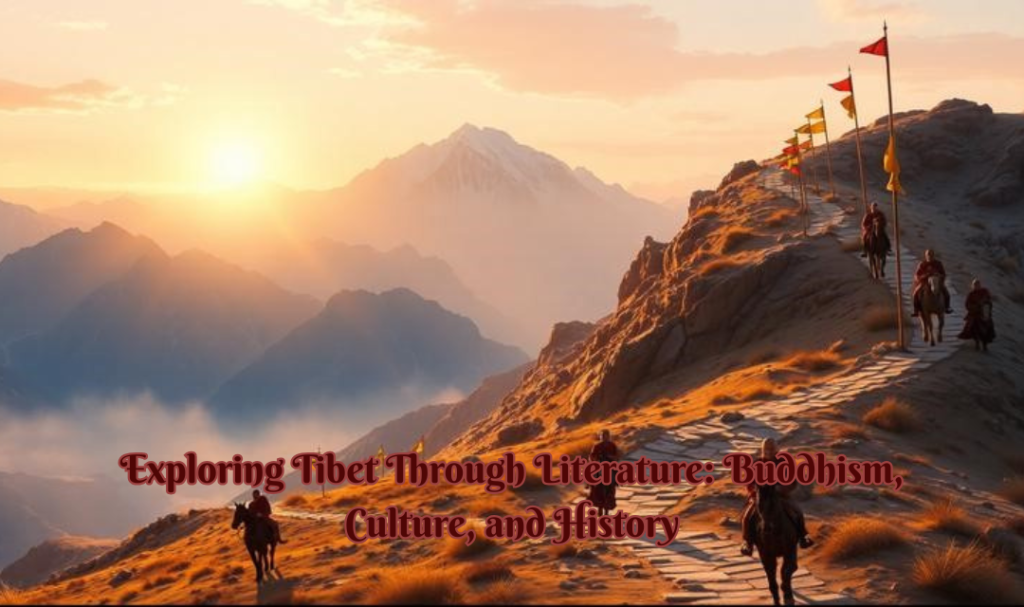
Introduction — Why Tibet Captivates Readers Around the World
Tibet has long held a magnetic pull for readers, scholars, and seekers who are fascinated by its spiritual depth, cultural resilience, and unforgettable landscapes. For author Eva Phileta Wright, that fascination began during her travels across Tibetan regions—journeys that forever shaped her worldview and later inspired her writing.
During her second extended visit to Tibetan lands, Eva met the wife of Tenzin’s oldest son—an encounter that would open a window into a deeply personal and emotional story. Her marriage had been forcefully broken apart by Chinese police who understood, long before she did, that her husband came from a family with royal Tibetan lineage. What began as a simple conversation soon became a tapestry of memories, truths, and hidden histories shared by her husband’s younger brother.
These early field encounters not only grounded Eva’s research but also allowed her to build authentic authority in her retellings of Tibetan stories—stories that later shaped The Ballads of the Tea Horse Trail.
To explore how Tibetan history shapes Eva’s storytelling, read more in our article “The Ballads of the Tea Horse Trail: A Journey Through Tibetan History and Fiction.”
Must-Read Tibetan Buddhism Books for Beginners and Deep Thinkers
Tibetan Buddhism is one of the most intricate spiritual traditions in the world—offering philosophical wisdom, meditative teachings, and pathways for understanding human consciousness. Whether you want an introductory guide or texts that dive into advanced insights, these books provide an excellent starting point.
Exploring Tibetan Philosophy Through Accessible Texts
For readers new to the tradition, certain foundational texts help demystify core concepts like compassion, emptiness, and the nature of mind. Books such as:
- The Tibetan Book of Living and Dying by Sogyal Rinpoche
- The Joy of Living by Yongey Mingyur Rinpoche
- The Heart of the Buddha’s Path by the Dalai Lama
These works strike a balance between simplicity and depth, providing introductions to meditation, ethics, and everyday applications of Buddhist principles.
Books on Tibetan Buddhism That Reveal Spiritual Depth
Readers seeking deeper philosophical exploration may gravitate toward texts like:
- The Lotus-Born: The Life Story of Padmasambhava
- The Life of Milarepa
- Words of My Perfect Teacher by Patrul Rinpoche
These books open a gateway into the lives of real practitioners—including Guru Rinpoche (Padmasambhava), a spiritual figure who also appears prominently in Eva’s novel The Ballads of the Tea Horse Trail. His presence serves as a bridge between historical tradition and modern storytelling.
If you’re curious about Tibetan spirituality in fiction, explore how these themes appear in Eva’s novel.
The Best Books on Tibetan Culture for Understanding Today’s Tibet
Understanding Tibet requires more than reading history—it requires immersing yourself in the stories of its people, traditions, and rapidly changing landscapes.
Cultural Narratives Every Reader Should Know
Books that examine daily life, rituals, and cultural transitions include:
- Sky Burial by Xinran
- The Tibetan Art of Living by Christopher Hansard
- A Field Guide to the Tibetan Language and Culture
These books offer insight into the rhythms of Tibetan communities—their ceremonies, family structures, and cultural memory.
Books About Tibet That Preserve Stories, Voices & Traditions
Some of Tibet’s most powerful cultural books come directly from first-hand storytellers. Many of these narratives reflect the very experiences Eva encountered while speaking with Tibetan families—stories of lineage, displacement, love, and survival. They preserve traditions that might otherwise be forgotten and ensure that Tibet’s multifaceted identity remains accessible to the world.
Tibetan History Books That Illuminate the Past
Tibetan history spans centuries of dynasties, cultural shifts, spiritual evolution, and geopolitical upheaval. The following books are essential reading for anyone hoping to understand Tibet’s past and its ongoing journey.
Understanding Royal Lineages, Dynasties & Cultural Shifts
Recommended readings include:
- The Snow Lion and the Dragon by Melvyn Goldstein
- A History of Modern Tibet (multiple volumes)
- Tibetan Civilisation by R. A. Stein
These texts explore royal lineage, the rise and fall of kingdoms, and the sociopolitical transformations that shaped Tibet into what it is today.
This historical lens also connects to Eva’s own narrative development. The royal background of Tenzin—a central figure in The Ballads of the Tea Horse Trail—is not merely fictional embellishment. It echoes real historical frameworks that Eva learned through personal encounters with families who bore the weight of that lineage.
For a fictionalized exploration of royal Tibetan lineage, read more in our deep dive into the Tea Horse Trail.
Fiction Books About Tibet for Readers Who Love Storytelling
When facts meet imagination, Tibet becomes an unforgettable world full of emotional depth and spiritual resonance.
Why Fiction Is a Powerful Gateway to Tibetan History
Fiction offers a unique pathway into Tibetan culture. Through characters, landscapes, and narrative arcs, readers can emotionally connect with experiences that history books often treat analytically. Fiction transforms research into lived reality.
How Modern Authors Bring Tibetan Stories to Life
Several contemporary authors have embraced Tibetan settings, but one standout contribution is Eva Phileta Wright’s The Ballads of the Tea Horse Trail.
The novel blends:
- Historical detail
- Spiritual exploration
- Epic adventure
- Emotional authenticity
Readers follow Tenzin—a pampered crown prince who must confront hardship, identity, and destiny. Through his journey, Tibet’s landscapes, traditions, and philosophies come alive.
Link naturally to your post #1 or #5 about the book’s themes.
How Eva Phileta Wright’s Personal Journey Shaped Her Understanding of Tibet
Eva’s connection to Tibet is not academic—it is lived, observed, and deeply felt. Her firsthand conversations with Tibetan families, exposure to cultural practices, and immersion in the remote landscapes shaped both her understanding and her storytelling voice.
These experiences inform every chapter of The Ballads of the Tea Horse Trail, from its portrayal of Mosuo communities to its meditation on Buddhist philosophy. Her writing reflects a rare blend of curiosity, respect, and lived intimacy with the region and its people.
Conclusion — Where to Begin Your Tibetan Reading Journey
Exploring Tibet through books offers readers a remarkable intersection of spirituality, culture, and history. Whether you begin with Tibetan Buddhism books, cultural narratives, historical research, or fiction, each reading path opens new dimensions of understanding.
For readers inspired by this guide, we recommend starting with:
- A foundational Tibetan Buddhism text
- A cultural narrative to ground your understanding
- A historical overview
- And finally, a fictional journey like The Ballads of the Tea Horse Trail to bring everything together
And for deeper exploration of Eva’s work and Tibetan storytelling, be sure to explore the recommended posts across this website.


One Response
Hello Eva,
It was amazing