Introduction
Literature has the power to transport readers into worlds rich with culture, philosophy, and untold stories. The Ballads of the Tea Horse Trail by Eva Phileta Wright is more than just a novel—it is an immersive journey into Tibetan Culture, history, and spirituality. Blending historical detail with imaginative storytelling, the book offers a rare perspective on resilience, identity, and transformation. As one of the most insightful books about Tibet, it gives Western readers a deeper understanding of the traditions and struggles of a people shaped by both hardship and profound spirituality.
Tibetan History and the Royal Lineage in the Novel
At the heart of the novel is Tenzin, a young man born into royal lineage who is thrust into a world of exile and survival. His journey resonates with the arc of Tibetan history itself—marked by displacement, adaptation, and the preservation of heritage.
Readers seeking a Tibetan history book will find Wright’s narrative compelling, not because it delivers a conventional chronology, but because it humanizes historical forces through the eyes of unforgettable characters. It stands alongside other respected books about Tibet, yet it uniquely highlights the personal costs of cultural upheaval.
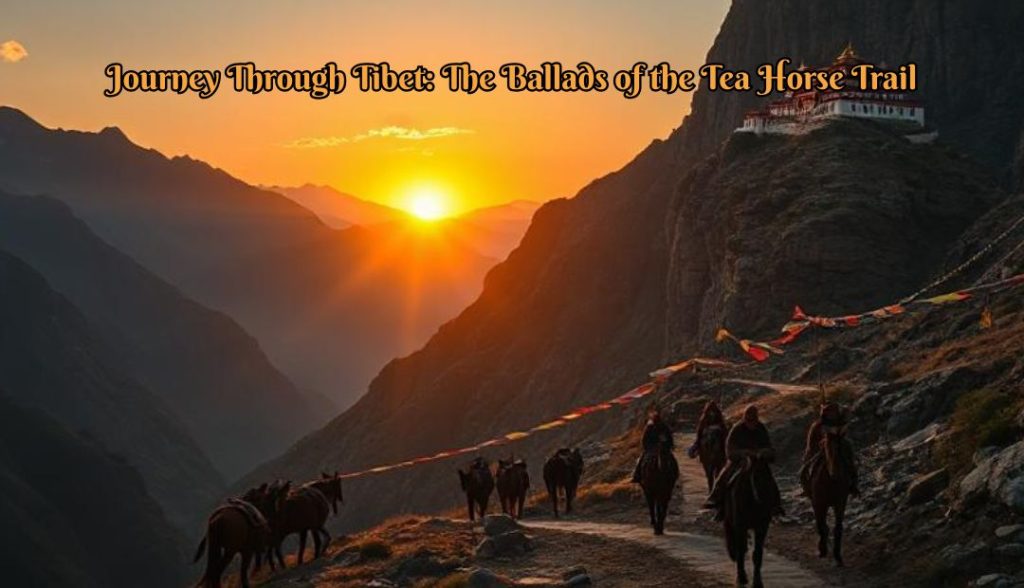
By weaving in the Tea Horse Trail—a historic trading route that connected Tibet with China and beyond—Wright situates her story within a larger backdrop of cultural exchange and resilience. Her meticulous descriptions of traditions, landscapes, and philosophies also make the work one of the most distinctive modern books on Tibetan culture available today.
Fiction Meets Spirituality: Tibetan Buddhism in the Story
No exploration of Tibetan heritage is complete without addressing the profound role of spirituality. In Wright’s novel, Tibetan Buddhism is not just a theme but a guiding force that shapes character development and narrative direction.
Tenzin’s transformation—from a pampered prince to a humble, resourceful man—mirrors Buddhist principles of detachment, compassion, and perseverance. The narrative introduces readers to figures like Guru Rinpoche, grounding the fiction in authentic religious tradition. For those drawn to Tibetan Buddhism books, the novel offers both accessible storytelling and a deeply spiritual dimension.
In fact, The Ballads of the Tea Horse Trail could stand among the best books on Tibetan Buddhism for readers who want to understand how philosophy permeates everyday life and personal identity. Its careful integration of faith, ritual, and moral struggle sets it apart from many contemporary books on Tibetan Buddhism that focus only on doctrine or history. Instead, Wright shows how belief systems live through people, choices, and resilience.
Adventure and Philosophy Along the Tea Horse Trail
The novel thrives at the intersection of action and reflection. The perilous journeys along the Tea Horse Trail—fraught with danger, betrayal, and natural hardship—are counterbalanced with moments of stillness, prayer, and introspection.
This balance reflects the dual character of Tibetan Culture, where physical endurance and spiritual devotion coexist. Wright highlights how the geography of Tibet, with its unforgiving mountains and sacred spaces, shapes not only survival but also worldview.
As such, The Ballads of the Tea Horse Trail sits comfortably among the most engaging books on Tibetan culture, giving readers an opportunity to feel both the adrenaline of adventure and the quiet wisdom of philosophy.
A Modern Contribution to Tibetan Literature
Wright’s work makes an important contribution to global understanding of Tibetan literature. Unlike purely academic histories or travelogues, it blends creative narrative with authentic cultural research, creating a bridge between fact and fiction.
For readers seeking fiction books about Tibet, the novel stands out by offering not only narrative richness but also educational depth. It is also valuable to anyone interested in a Tibetan history book, as it frames the past through lived experience rather than abstract detail.
In a marketplace filled with translations and treatises, The Ballads of the Tea Horse Trail emerges as a fresh voice—one that integrates storytelling, culture, and philosophy. It is equally valuable to readers searching for books on Tibetan Buddhism, as the novel demonstrates how faith shapes not just monasteries but families, communities, and individuals. By weaving Tibetan Buddhism into the fabric of adventure, Wright elevates her novel to both literature and living testimony.
Conclusion
The Ballads of the Tea Horse Trail is more than a novel—it is an entry point into the heart of Tibet’s cultural and spiritual legacy. For U.S. readers, it represents an opportunity to engage with a literary work that stands alongside the best books on Tibetan Buddhism, while also offering the dramatic intensity of a Tibetan history book and the narrative beauty of fiction books about Tibet.
Eva Phileta Wright’s careful attention to Tibetan Culture ensures that her work resonates beyond entertainment. It is both a meditation on endurance and a celebration of a people’s ability to survive, adapt, and flourish. In an era where cultural understanding is more important than ever, this book is a vital addition to any library that seeks to explore the intersections of history, spirituality, and fiction. 👉 Learn more about The Ballads of the Tea Horse Trail and Eva Phileta Wright’s literary journey at evaphiletawright.com.